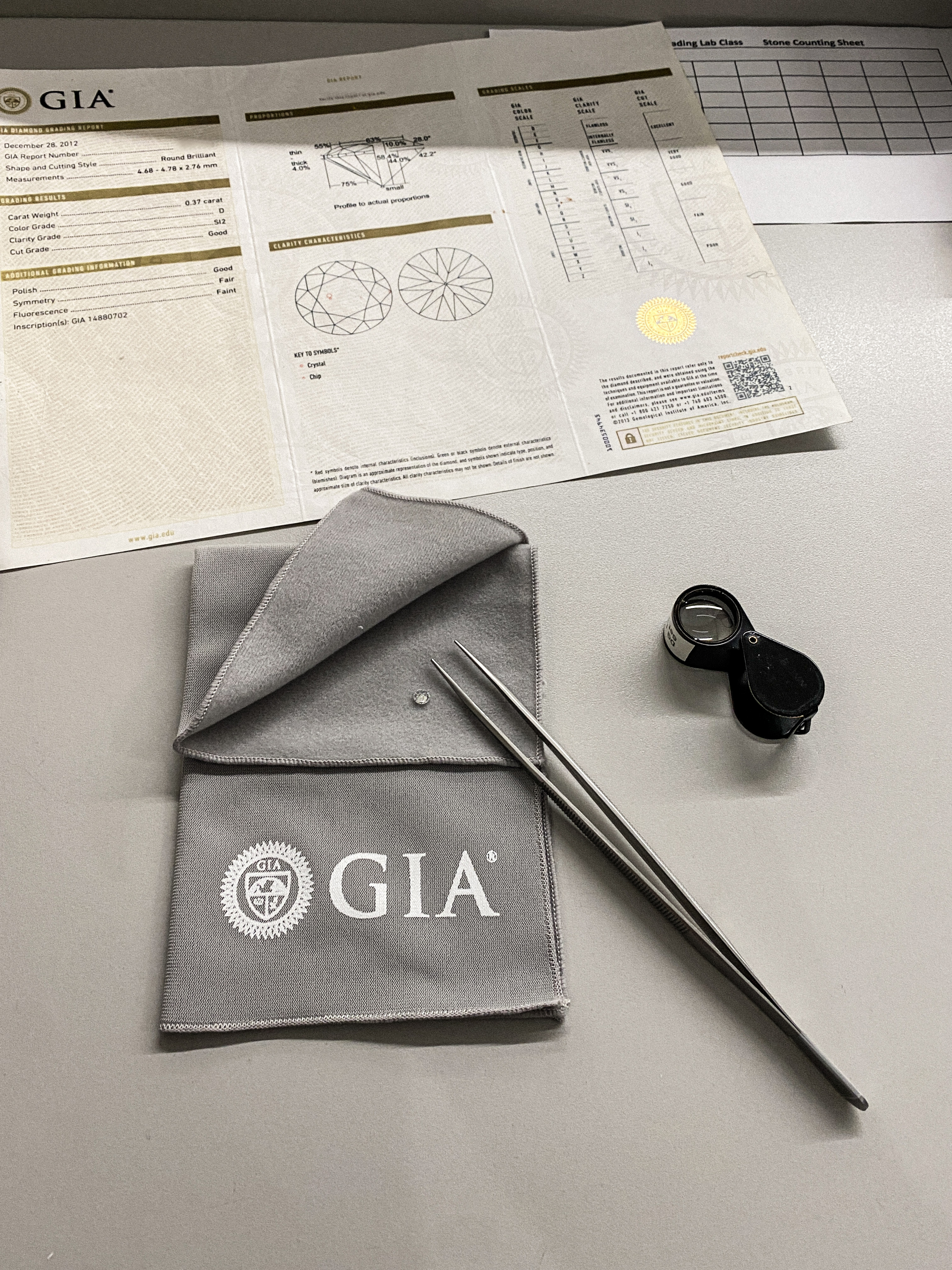
When shopping for a diamond, most buyers are introduced to the 4Cs: Carat, Cut, Color, and Clarity. While these standards are useful, they’re often misunderstood—and sometimes intentionally oversimplified.
The truth is, not all Cs carry equal weight. Knowing which ones truly affect beauty and value can save thousands of dollars while helping you choose a diamond that looks better in real life, not just on paper.
1. Cut — The One That Actually Matters Most

Despite common belief, cut has the biggest impact on a diamond’s appearance.
Cut determines how well a diamond reflects light. A well-cut diamond will appear:
- Brighter
- More sparkly
- Larger than its actual carat weight
A poorly cut diamond—even with high color and clarity—can look dull and lifeless.
What matters:
- Proportions
- Symmetry
- Light performance
What doesn’t:
- Chasing the highest grade without seeing how the diamond performs in real lighting
Takeaway: A slightly smaller diamond with an excellent cut will almost always outshine a larger, poorly cut one.
2. Carat — Size Isn’t Everything

Carat refers to weight, not visual size.
Two diamonds with the same carat weight can look noticeably different depending on:
- Cut quality
- Shape
- Depth and spread
Some diamonds hide weight in depth, making them look smaller than expected.
What matters:
- Face-up size
- How the diamond is cut for visual spread
What doesn’t:
- Hitting a “magic number” like 1.00 ct at the expense of cut quality
Takeaway: A 0.90 ct well-cut diamond can look bigger than a poorly cut 1.00 ct.
3. Color — Less Important Than You Think

Color grades measure how colorless a diamond appears, typically from D (colorless) to Z (noticeable color).
In real-world conditions:
- Small color differences are hard to detect
- Most people cannot tell the difference between adjacent grades once the diamond is set
What matters:
- How color appears once mounted
- Metal choice (yellow gold hides warmth; white metals reveal it more)
What doesn’t:
- Paying a premium for ultra-high color grades most people can’t see
Takeaway: Near-colorless diamonds (G–I range) often offer the best balance of beauty and value.
4. Clarity — Invisible Imperfections Are Still Imperfections

Clarity measures internal and external characteristics called inclusions and blemishes.
Many inclusions:
- Are invisible to the naked eye
- Do not affect durability
- Exist in areas that can be hidden by settings
What matters:
- Eye-clean appearance
- Inclusion location and type
What doesn’t:
- Paying for flawless grades you’ll never visually benefit from
Takeaway: An eye-clean VS or SI diamond can look identical to a flawless diamond at a fraction of the price.
So… Which Cs Should You Prioritize?
If beauty and value matter most, here’s a smarter order of importance:
- Cut
- Carat (visual size, not weight)
- Color
- Clarity
This approach focuses on what your eyes actually see, not what a certificate says.
Final Thought
The 4Cs were designed to standardize diamonds—not to help buyers make the best choice.
Understanding how they interact allows you to:
- Avoid overpaying
- Choose a better-looking diamond
- Make confident, informed decisions
A beautiful diamond isn’t defined by perfect grades—it’s defined by balance.

